What goes into the cost of a new spring?
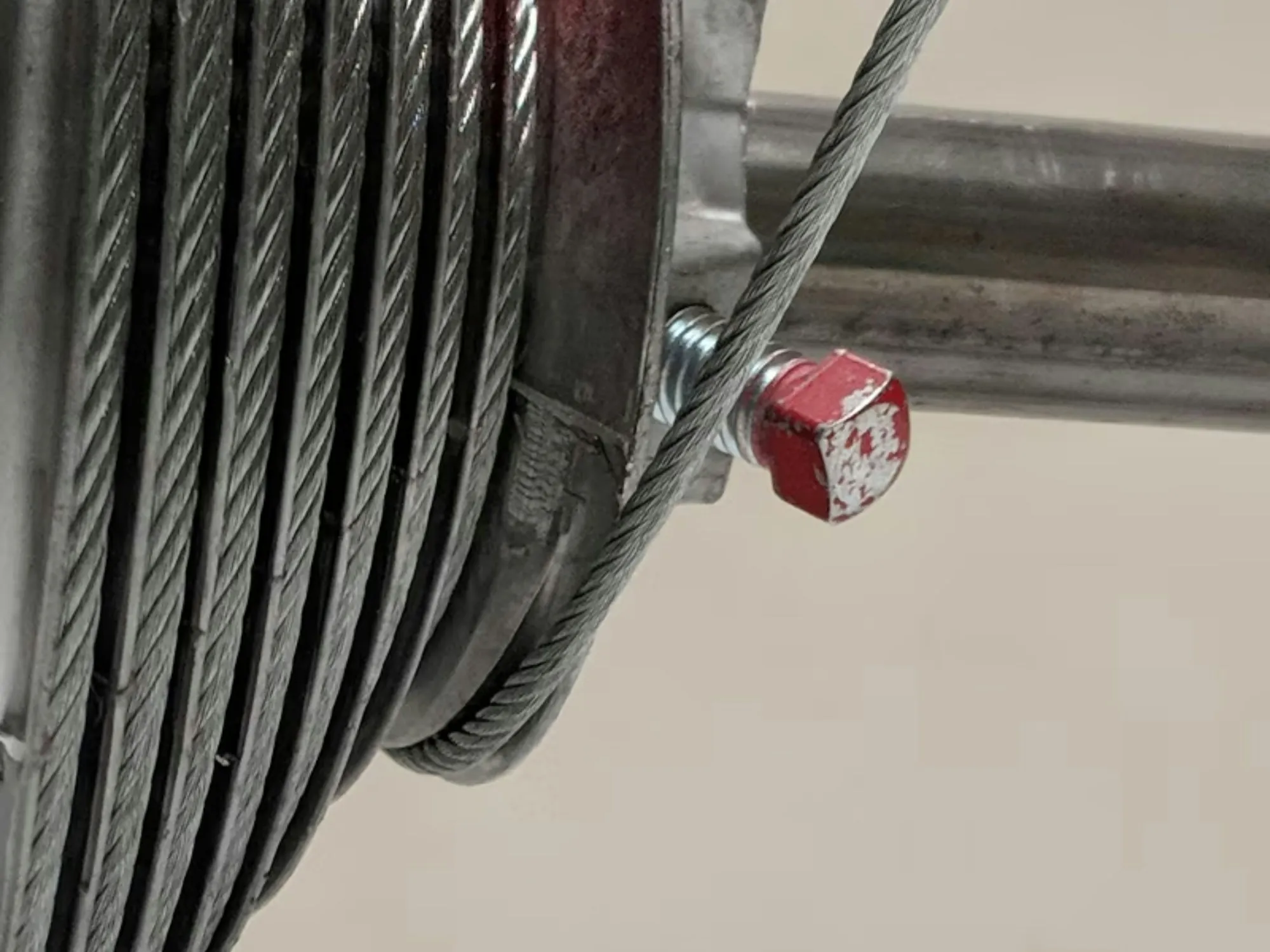
Mostly three things: whether you have torsion or extension springs, how heavy and tall the door is, and whether standard or high-cycle springs make sense for how often you use it. On a two-spring door, replacing both together also affects the total. Once the old springs are measured and the door has been looked at, you hear the full cost for the job before anything is unwound.
How quickly can a technician get to me?
It depends on how the day's schedule looks and how far out you are. Whoever picks up will check and give you a realistic answer on the call, rather than a promise that falls apart later. If the door is stuck open or a car is trapped inside, say so when you call.
Is a permit required if I replace my garage door?
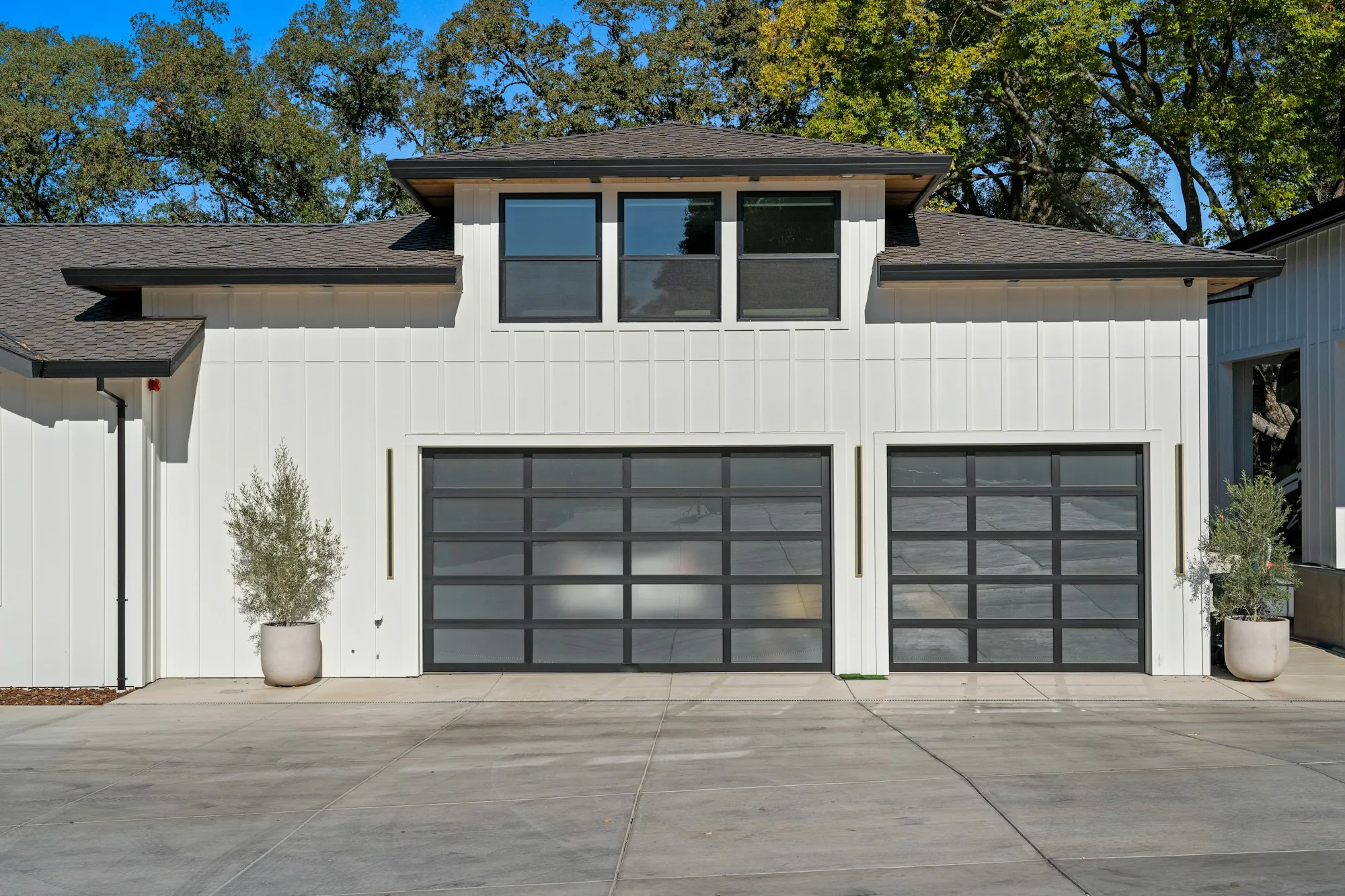
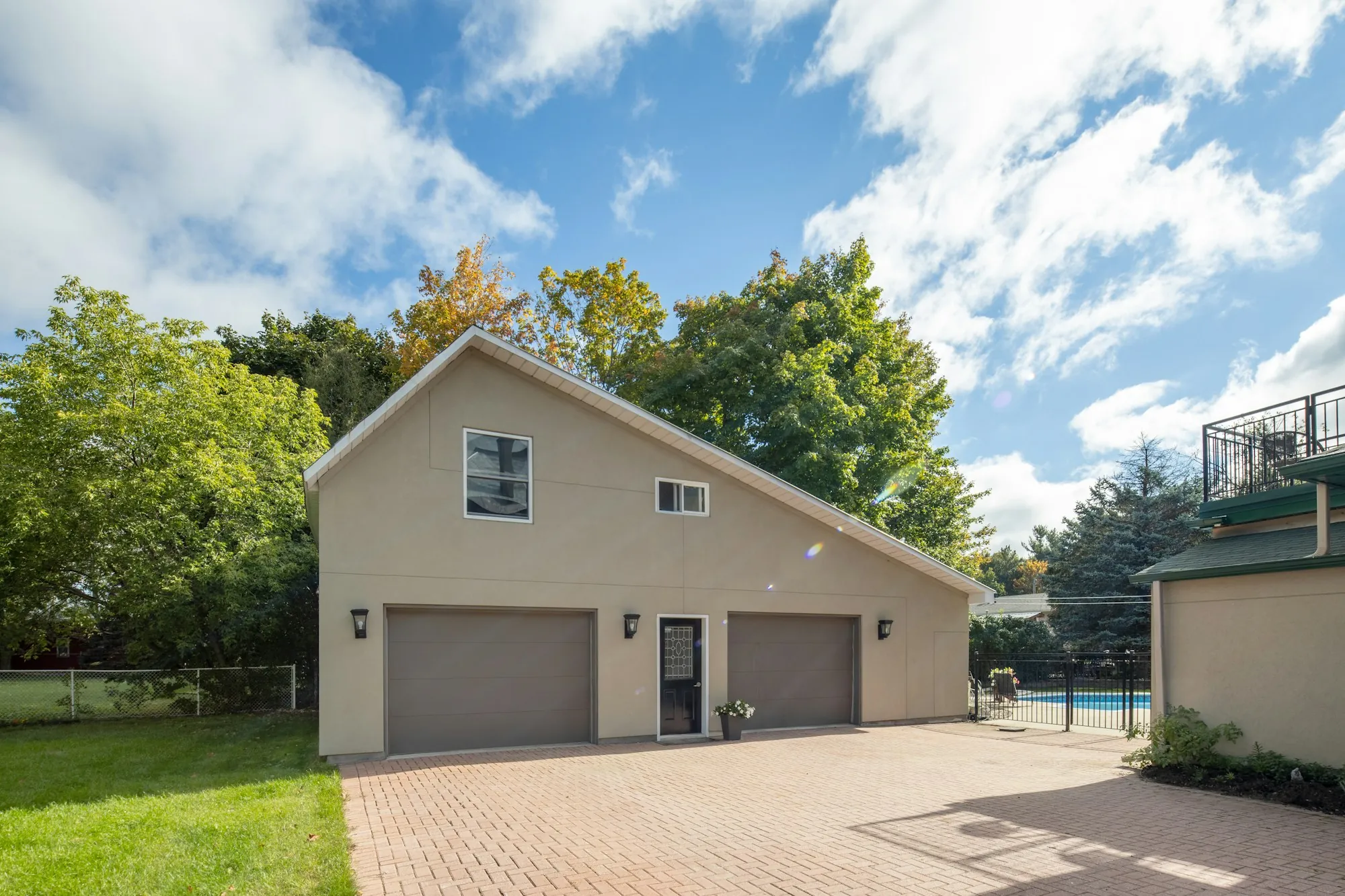
Usually, yes. In Florida, swapping out an entire garage door generally calls for a building permit, and the new door needs a Florida product approval showing it was tested for the wind load at your house. Repairs such as springs, cables, rollers or an opener don't normally need one. We'll explain what applies before you commit to a new door.
Can my current door be braced for hurricanes, or does it need replacing?
Sometimes it can be braced. Some manufacturers sell retrofit reinforcement kits approved for particular door models, and if one exists for yours, that's a sensible middle ground. Many older doors have no approved kit, though, and homemade struts don't count toward a rating. We'll check the label and model, then tell you which route is realistic.
How long does it take to put in a new door?
The installation itself typically takes most of a working day for a single residential door, including removing the old one, hanging the new sections, setting the springs and adjusting the opener. The longer wait usually comes before that, while the door is ordered and the permit is approved. You'll get a realistic timeline once the door is on order.
Why is my door so loud, and can you make it quieter?
Noise usually comes from steel rollers with worn bearings, dry hinges, loose hardware rattling against the track, or a chain-drive opener. Lubrication and tightening help a little; switching to sealed nylon rollers and replacing cracked hinges help a lot. If the opener is the culprit, a belt drive is the quiet option. Grinding or banging that's new can also mean a spring is wearing, so it's worth a look.
Are Wi-Fi openers and battery backup worth paying for?
Battery backup earns its keep wherever summer storms knock out power, since a dead opener can trap the car inside. Wi-Fi is more of a convenience: you can check whether the door is shut, close it from your phone and get alerts. If you often wonder whether you closed the garage, it's worth having. Neither is something we'll push if you don't want it.
What's included in a tune-up?
We test the door's balance with the opener disconnected, inspect springs, cables, drums, rollers, hinges and track, tighten loose hardware, lubricate the moving parts that need it, and check the opener's force, limits, sensors and auto-reverse. You get a plain rundown of what's fine, what's wearing and what can wait. Nothing gets replaced unless you ask for it.